
logo
×

PRODUCTS

High Peformance Capillary Electrophoresis Platform
  • You Are Here :HOME > PRODUCTS > High Peformance Capillary Electrophoresis Platform >
  • High Peformance Capillary Electrophoresis Platform

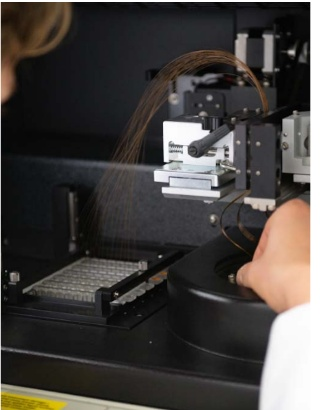
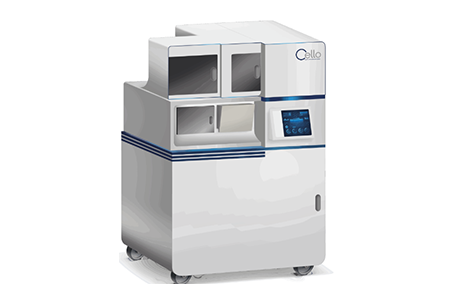
    description: Cello is the technology platform that runs REM’s microbiome assays, combining precision measurement with throughput suitable for clinical workflows, research applications and product validation. Cello combines Cycling Temperature Capillary Electrophoresi
    Summarize:
    Cello is the technology platform that runs REM’s microbiome assays, combining precision measurement with throughput suitable for clinical workflows, research applications and product validation.
    Cello combines Cycling Temperature Capillary Electrophoresis (CTCE) with automated workflows and validated protocols. This combination provides consistent and high-resolution DNA separation across microbiome, clinical, agricultural and industrial applications.
    Advantage:
    Capillary electrophoresis separates DNA fragments differing by a single nucleotide, while maintaining throughput. Cello brings single-nucleotide resolution to targeted assays, distinguishing and quantifying closely related organisms across microbiome, clinical and industrial R&D applications.
    Advanced Testing for Genetic Composition (ATGC) is REM’s proprietary platform for precise microbial quantification. The technology combines Cycling Temperature Capillary Electrophoresis (CTCE) with a curated reference database and specialized bioinformatics algorithms to identify and quantify bacterial and fungal species.
    ATGC differentiates closely related organisms that conventional methods cannot reliably distinguish. Whether identifying pathogenic versus commensal species, characterizing specific probiotic strains or detecting antimicrobial resistance variants, ATGC provides quantitative precision down to single-nucleotide differences where genetic variation permits.

    Key feature:
    Strain-Level Resolution
    Down to single-nucleotide differences where genetic diversity permits
    Rapid Turnaround
    From DNA to reported results in hours to days, suitable for routine and study workflows.
    Reproducibility
    Consistent results across runs, batches and longitudinal studies
    Cost-effectiveness
    Scale efficiently for routine testing or high-volume application
    Flexible Platform
    Customizable for diverse applications beyond microbiome


    Application:
    Vaginal Microbiome Profiling:
    Quantifies individual Lactobacillus species, Gardnerella vaginalis, and selected Candida species, distinguishing closely related strains. Cello supports CE-marked vaginal assays used in clinical studies and women’s health diagnostics to monitor microbiome composition and guide treatment decisions
    Gut Health Panels:
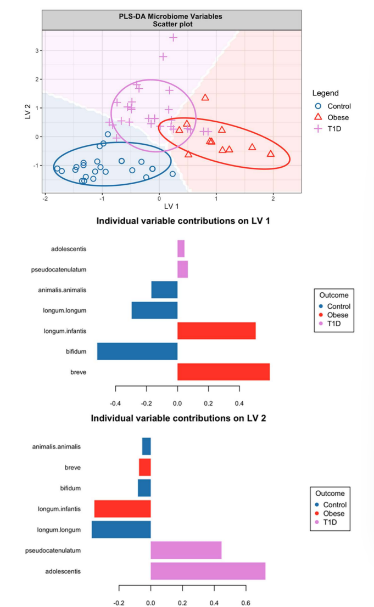
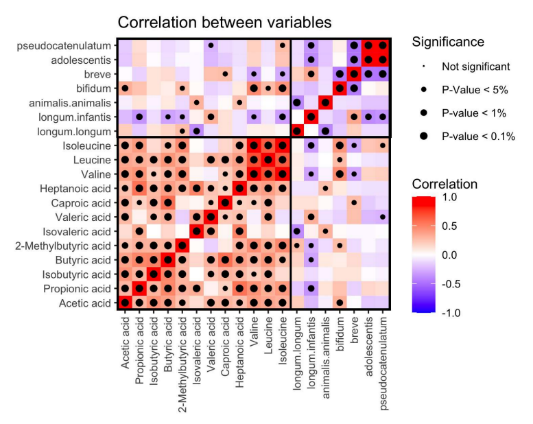
    Measures Bifidobacterium communities at the species and subspecies level. Cello’s resolution differentiates closely related organisms with distinct roles in immune development, metabolic programming, and neurological health. Applications range from infant and pediatric gut health monitoring to adult probiotic validation and personalized dietary interventions.
    Soil Profiling:
    Quantifies Bacillus and other functionally important soil bacteria in agricultural fields and bioinoculant products. Cello provides precise relative abundance measurements for validating product formulations, assessing field efficacy and supporting regenerative agriculture research.
    Clinical Microbiology:
    Identifies pathogens and detects antimicrobial resistance (AMR) markers with single-nucleotide precision. Early proof-of-concept work with Cello has demonstrated differentiation of closely related bacterial variants, showing potential for strain typing, outbreak investigation and infection control studies where precise genetic distinctions matter clinically
    Specification:
    Platform:
    Cello 96-capillary electrophoresis system
    Detection:
    Dual-laser, 6-channel fluorescence
    Throughput:
    96 samples per run
    Analysis Time:
    Hours to days (depending on assay and batch size)
    Output:
    Relative abundance measurements for individual species, subspecies and strain variants

    Detailed Specifications